Bacillus thuringiensis

Bacillus thuringiensis is a variety of crystallogenic Bacillus that is used as a low-toxic microbial insecticide, with a focus on gastric toxicity. The bacteria can produce two major toxins, namely endotoxin (concomitant cell crystal) and exotoxin, which can stop the pests from feeding. Finally, the pests are starved and die. The effect of exotoxin is slow and obvious during molting and metamorphosis. The effect of this drug is slow, and the effect can only be seen in about 2 days after the pest is fed, and the effective period is about 1 day, so it should be used 2 ~ 3 days earlier than conventional chemical agents, and the effect is better in the early age of the pest. It is safe for fish and bees, but highly toxic to silkworms.
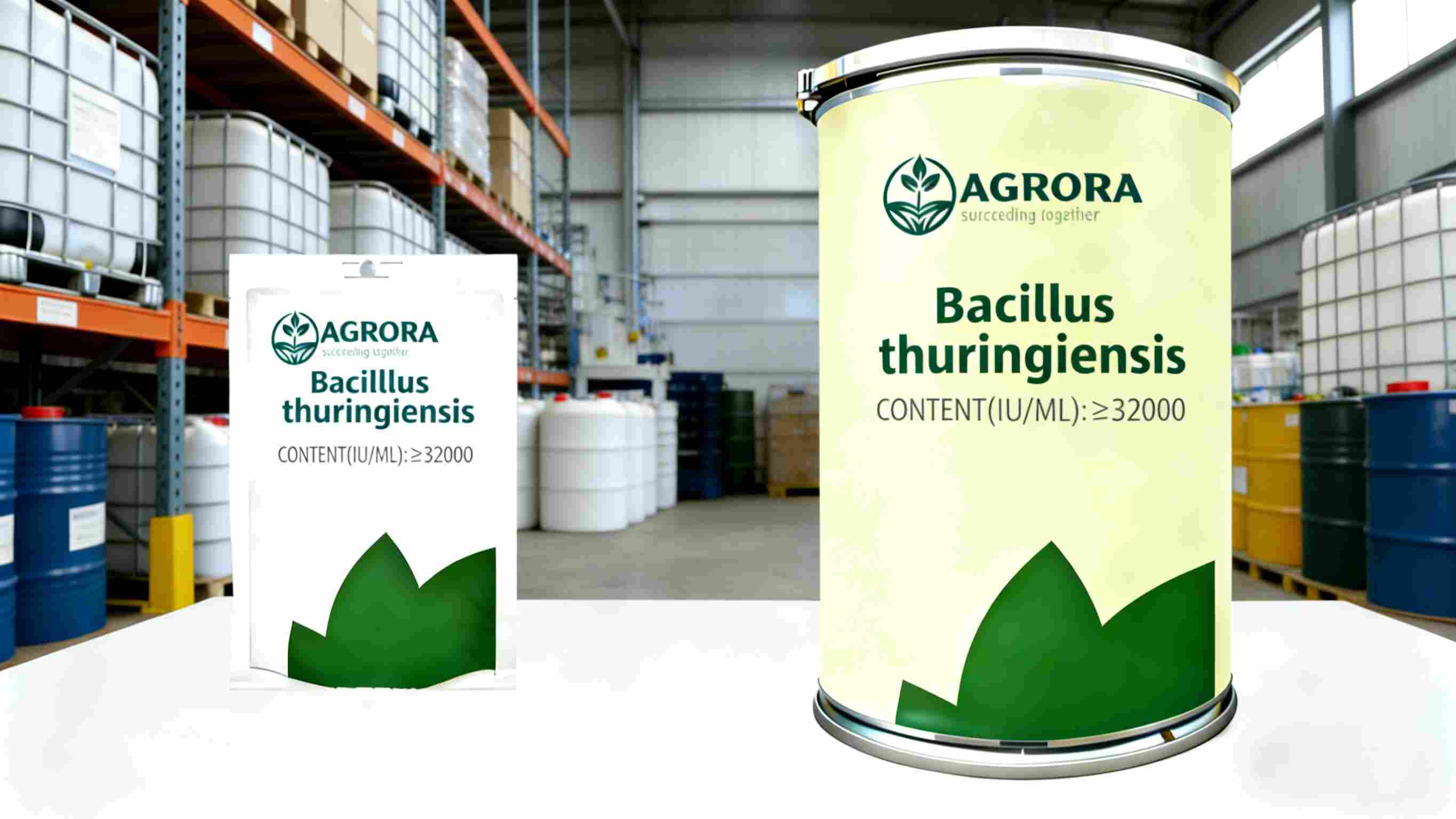

APPEARANCE YELLOW POWDER
CONTENT(IU/ML) ≥32000
Return
Bacillus thuringiensis
Other related
HERBICIDES
FUNGICIDES
INSECTICIDES
PLANT GROWTH REGULATOR
PLANT NUTRITIONS
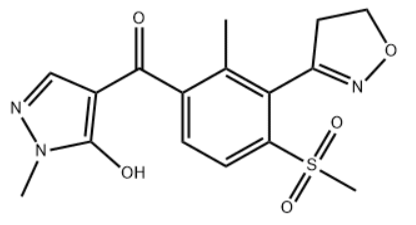
  • Topramezone Tech
    Topramezone Tech

    CAS NO. : 210631-68-8

    Explore
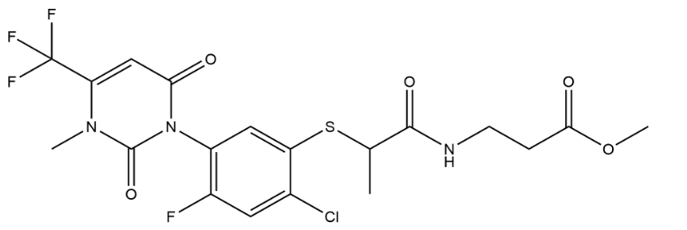
  • Tiafenacil Tech
    Tiafenacil Tech

    CAS NO. : 1220411-29-9

    Explore
  • S-Metolachlor Tech
    S-Metolachlor Tech

    CAS NO. : 87392-12-9

    Explore
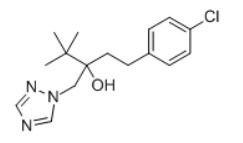
  • Tebuconazole Tech
    Tebuconazole Tech

    CAS NO. : 107534-96-3

    Explore
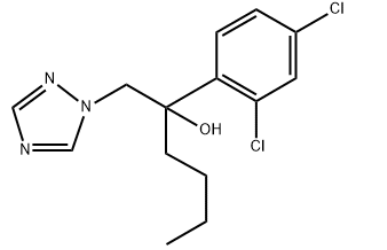
  • Hexaconazole Tech
    Hexaconazole Tech

    CAS NO. : 79983-71-4

    Explore
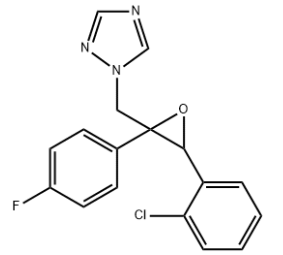
  • Epoxiconazole Tech
    Epoxiconazole Tech

    CAS. NO : 135319-73-2

    Explore
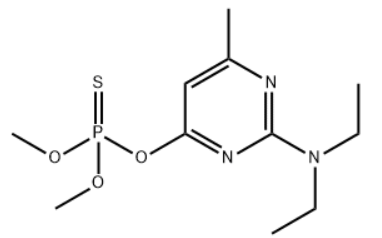
  • Pirimiphos-methyl Tech
    Pirimiphos-methyl Tech

    CAS NO. : 29232-93-7

    Explore
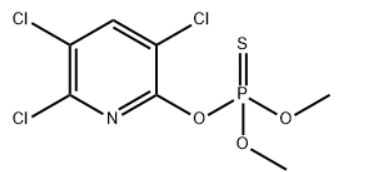
  • Chlorpyrifos Tech
    Chlorpyrifos Tech

    CAS NO. : 5598-13-0

    Explore
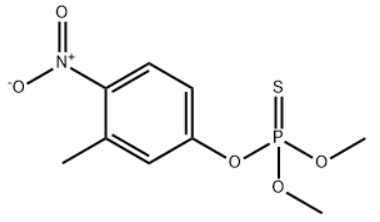
  • Fenitrothion Tech
    Fenitrothion Tech

    CAS NO. : 122-14-5

    Explore
  • Uni-protect
    Uni-protect

    As the clients' requirements.

    Explore
  • Paclobutrazole Tech
    Paclobutrazole Tech

    CAS NO. : 76738-62-0

    Explore
  • Ethephon Tech
    Ethephon Tech

    CAS NO. : 16672-87-0

    Explore